
Why Regular Eye Exams Are Essential for Everyone

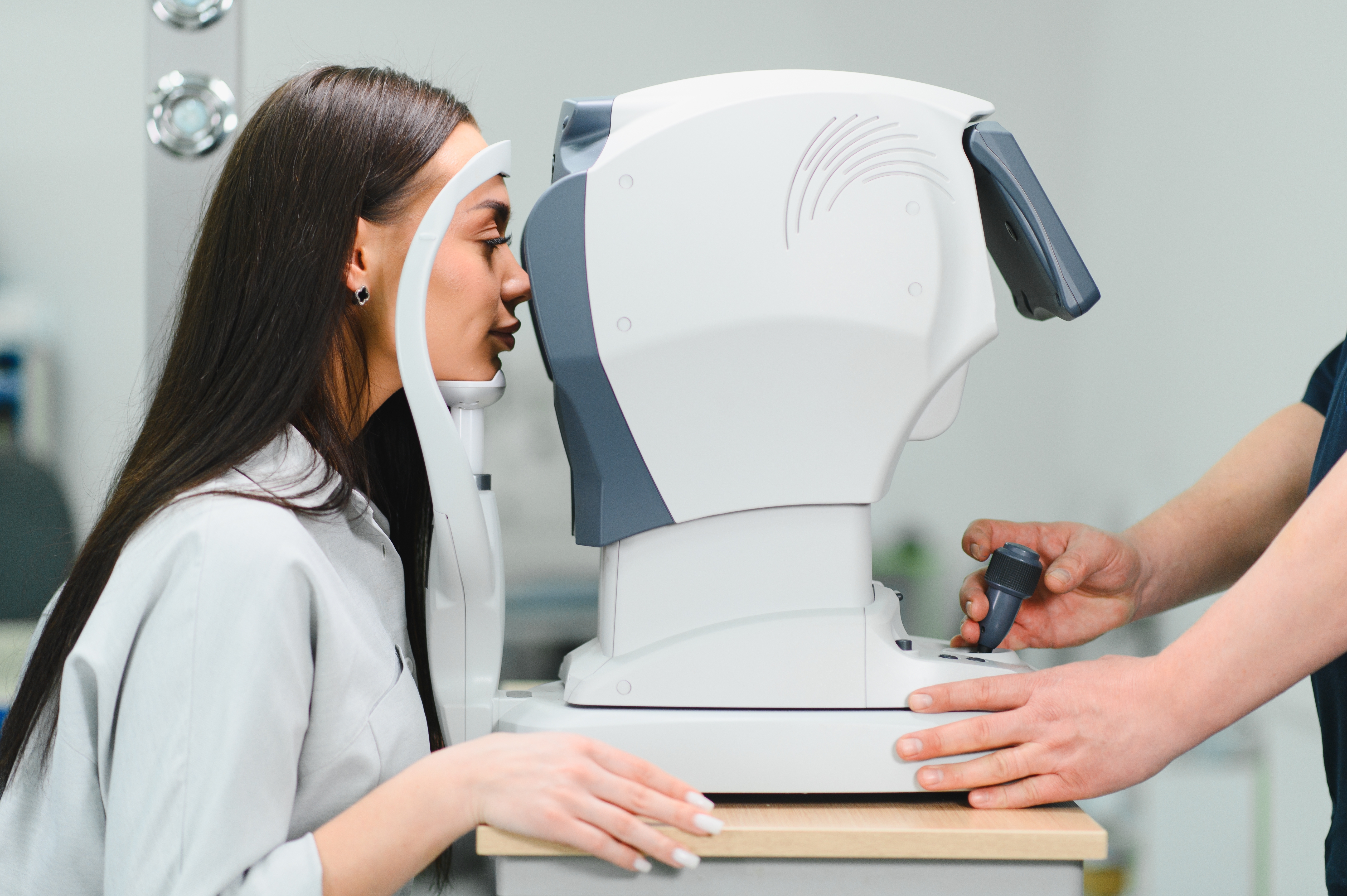
Many people wait until their vision changes before scheduling an eye exam, but regular eye exams are important even when your eyesight seems fine. A comprehensive eye exam does more than update your prescription. It helps evaluate how well your eyes are working, checks for early signs of eye disease, and gives your eye doctor a clearer picture of your overall eye health.
Because vision can change gradually, you may not notice small problems right away. Regular eye exams help catch those changes early, so you can get the right care before symptoms begin to affect your daily life.
Eye Exams Are About More Than Glasses
While many patients schedule an exam because they need new glasses or contact lenses, a comprehensive eye exam also looks at the health of the eyes. During your visit, your eye doctor may check your visual clarity, eye pressure, focusing ability, eye coordination, and the internal and external structures of the eyes.
These tests can help detect concerns that may not cause obvious symptoms in the early stages, including glaucoma, cataracts, macular degeneration, diabetic eye disease, and retinal changes. Early detection is one of the biggest reasons regular eye exams are essential for patients of all ages.
Vision Changes Can Happen At Any Age
Children, adults, and older patients all benefit from routine eye care. For children, clear vision supports learning, reading, and development. For adults, regular eye exams help monitor prescription changes, digital eye strain, and eye health concerns related to work, lifestyle, or medical conditions. For older adults, exams become even more important because the risk of certain eye diseases increases with age.
Even if you have never needed glasses before, your eyes can still change over time. Regular exams make it easier to stay ahead of those changes and protect your long-term vision.
Signs You Should Schedule An Eye Exam
Some vision issues are easy to overlook, especially if they develop slowly. You should consider scheduling an eye exam if you notice:
- Blurry vision, double vision, or trouble focusing
- Frequent headaches or eye strain
- Difficulty seeing at night
- Increased sensitivity to light
- Dry, red, itchy, or irritated eyes
- Squinting or holding reading material closer than usual
- A sudden increase in floaters, flashes, or vision changes
Even without these symptoms, routine exams are still important because many eye conditions can develop quietly.
Eye Health Can Reflect Overall Health
Your eyes can sometimes show signs of broader health concerns. Conditions such as diabetes, high blood pressure, autoimmune disease, and certain neurological issues may affect the eyes. During a comprehensive eye exam, your eye doctor can look for changes in the blood vessels, retina, optic nerve, and other important structures.
This makes eye exams an important part of preventive care, not just vision correction. When concerns are found early, patients can receive guidance, monitoring, or referrals when needed.
How Often Should You Have an Eye Exam?
The right schedule depends on your age, health history, prescription, family history, and any existing eye conditions. Some patients may need yearly eye exams, while others may be advised to come in more or less often. If you have diabetes, high blood pressure, a strong family history of eye disease, or ongoing vision symptoms, your eye doctor may recommend more frequent visits.
Schedule your next comprehensive eye exam with Dr. Neil Rubin Optometry in Wantagh, NY by calling (516) 781-2822.


Monday & Friday
10:00 AM - 6:00 PM
Tuesday
10:00 AM - 2:00 PM
Wednesday
10:00 AM - 7:00 PM
Saturday
9:00 AM - 3:00 PM
Thursday & Sunday
Closed

© 2026 Dr. Neil Rubin Optometry - All Rights Reserved - Accessibility Statement - Privacy Policy - Sitemap
Powered by 